
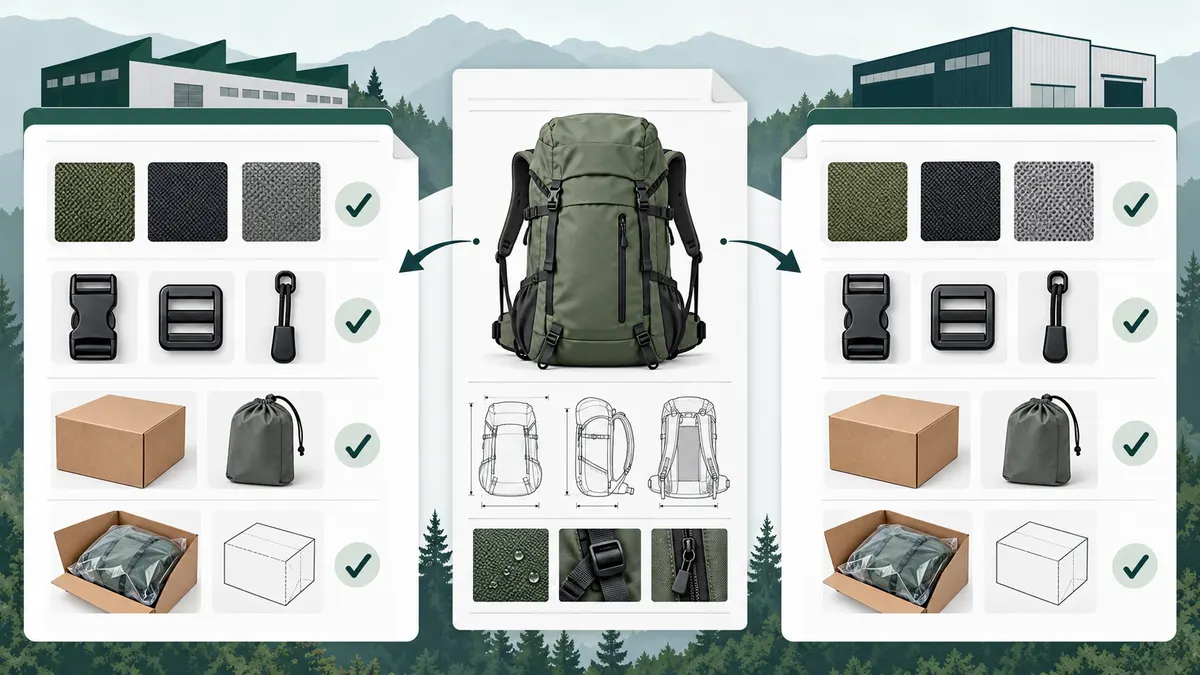

Two factories can receive the same photograph of a backpack and return very different prices. That does not necessarily mean one is efficient and the other is expensive. They may have priced different fabrics, reinforcement, hardware, logo methods, packing, quality checks, or delivery scopes. A price comparison is useful only after those differences are visible.
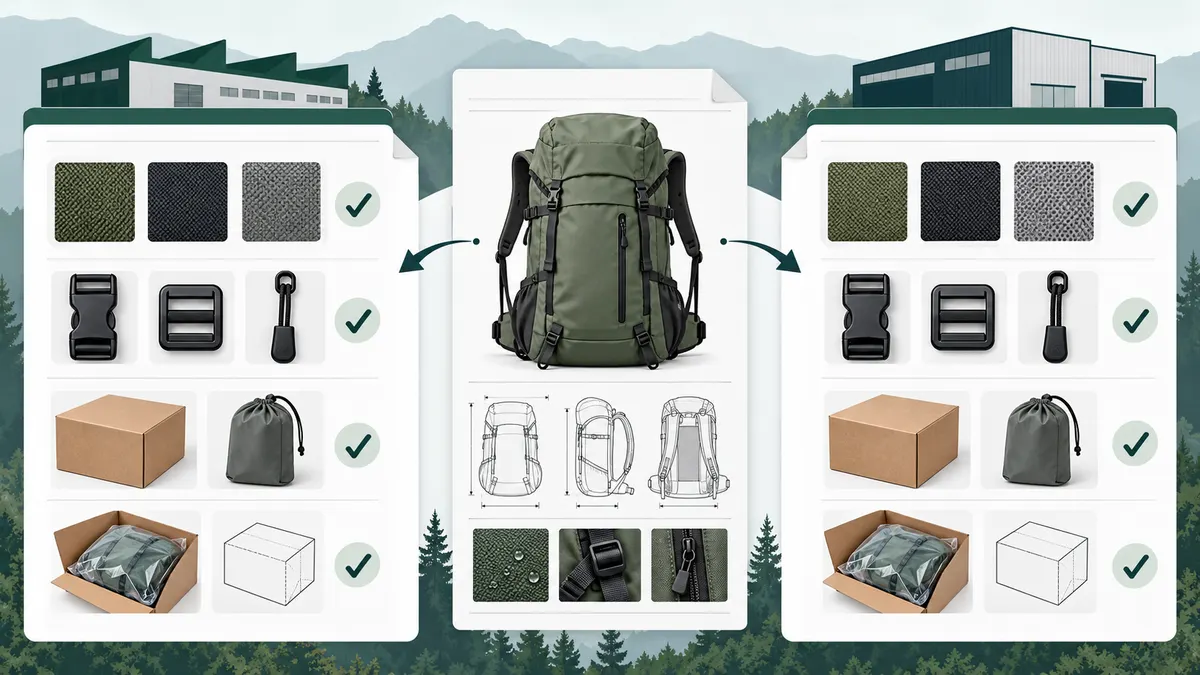
For custom outdoor and functional bags, begin with one controlled specification. Ask each potential manufacturer to identify what its quote includes, what it excludes, and what it has assumed. Put those answers beside the same product version and quantity breakdown. Resolve material and construction differences before comparing unit prices. Then use an approved sample to establish the production reference. This approach does not make the cheapest proposal the best one; it helps you see what each proposal would actually buy.
This guide is for brand teams, importers, and purchasing managers comparing custom backpacks, cooler bags, sports duffels, cycling bags, or similar sewn products. It is not a price list or a substitute for a project-specific quotation. If you need help defining an OEM project before you compare proposals, start with Hongzhao's OEM outdoor bag manufacturing process.
1. Decide what decision the quotes must support
Before issuing an RFQ, write down the decision you are trying to make. Are you choosing a factory for a design that is already approved? Are you testing two construction directions? Are you comparing an existing bag with a newly developed pattern? Each situation produces a different kind of quote. Treating them as equivalent invites a false conclusion.
For an approved design, the goal is to learn whether each factory can make the same product to the same documented standard and on comparable commercial terms. For a design still under development, the first quote is more likely a working estimate based on assumptions. In that case, ask for the assumptions and the next decisions required to refine it. Do not present a preliminary estimate to colleagues as a locked production price.
Name the product and its intended use in plain language. A hiking backpack intended for extended outdoor use raises different structure questions from a promotional daypack. A soft cooler with a wipe-clean liner raises different construction questions from an ordinary sports duffel. Do not use an attractive reference photo as the entire brief. A photograph rarely specifies the inside, hidden reinforcements, seams, or packaging.
Set a decision rule before seeing the prices. For example, you may require a comparable sample, documented material substitutions, a defined inspection approach, and a clear statement of exclusions before a quote moves to final evaluation. These are buyer review criteria, not claims that a particular factory already meets them. Writing the criteria first reduces the temptation to explain away missing information after a low number arrives.
2. Issue one version-controlled RFQ to every factory
Give every factory the same RFQ version. A shared folder can hold a short specification, drawings or photographs, logo artwork, a component list, packing instructions, and questions. Put a version number and issue date on the document. If you change the design, release a new version to all bidders and ask them to identify which version their response prices.
The cover page should state the bag type, intended user, use conditions, estimated order quantities by style and color, destination market, and contact for technical questions. Separate confirmed requirements from preferences and open questions. Mark a zipper type as fixed only if changing it would make the proposal unacceptable. Mark a color as flexible if a comparable available option could work. Mark a performance target as unresolved if your team has not defined how it will be evaluated.
Give reference files names that make revision history obvious. “Backpack front view, revision B” is more useful than “final-new-2.” Include dimensions and indicate where they are measured. If a physical reference sample exists, tell bidders whether it is a design target, a quality reference, or only an illustration of the intended use. Ask them to flag details they cannot infer from it.
The RFQ does not need to become a massive technical manual. Its purpose is to remove the differences most likely to distort the comparison. A concise document with a clear status for each requirement is better than a long one that mixes decisions, guesses, and marketing language. Keep one question log so every factory receives the same clarification when a material or construction detail changes.
3. Normalize size, capacity, and functional layout
Bag dimensions are often quoted without a measurement method. State whether the dimensions are external or internal, whether depth is measured when the bag is empty or filled, and whether a rounded or expandable section is included. If the contents must fit a specific item, provide that item's dimensions rather than relying only on a nominal volume. Do not assume that two bags described with the same capacity will have the same usable space or structure.
List the compartments that matter to the buyer. Include the required opening style, access points, pockets, dividers, attachment points, and any removable parts. For a backpack, identify shoulder straps, back panel, waist or chest straps if relevant, and the adjustment points the user needs. For a cooler, distinguish insulation, lining, closure, and carrying structure. For a cycling bag, identify mounting locations, attachment hardware, and the bicycle dimensions that constrain fit. These are examples of specification questions, not claims about every product Hongzhao makes.
Ask each factory to describe any proposed change to the layout. A missing internal pocket, a different opening, or a narrower strap may lower the quote while changing the product. Record it as a deviation, not as a saving against an identical design. When a drawing is not yet precise enough, request a sketch or annotated response before treating the figures as comparable.
Dimensions also affect packaging and freight, but this guide does not estimate those costs. The practical step is to ensure each bidder prices the same bag dimensions and the same packing assumption. If one factory has priced a flat-packed product and another a shaped retail pack, the unit prices answer different questions.
4. Compare material systems, not fabric names alone
“Nylon,” “polyester,” or “Oxford” is not a complete material specification. Record the selected fabric or approved alternatives, lining, backing or coating, reinforcement, webbing, mesh, padding, thread, and relevant accessories. Where a property matters, state what evidence or sample the buyer will use to evaluate it. Avoid treating a material name as proof of waterproofing, durability, or a particular service life.
For a cooler bag, keep the outer fabric, insulation, and inner liner as separate rows. A foam insulation layer and a liner are different parts with different functions. For a backpack, separate shell fabric from shoulder-strap padding and back-panel components. For a duffel, separate body fabric from base reinforcement and handle webbing. This level of detail helps explain why two quotes that use the same headline fabric might still differ materially.
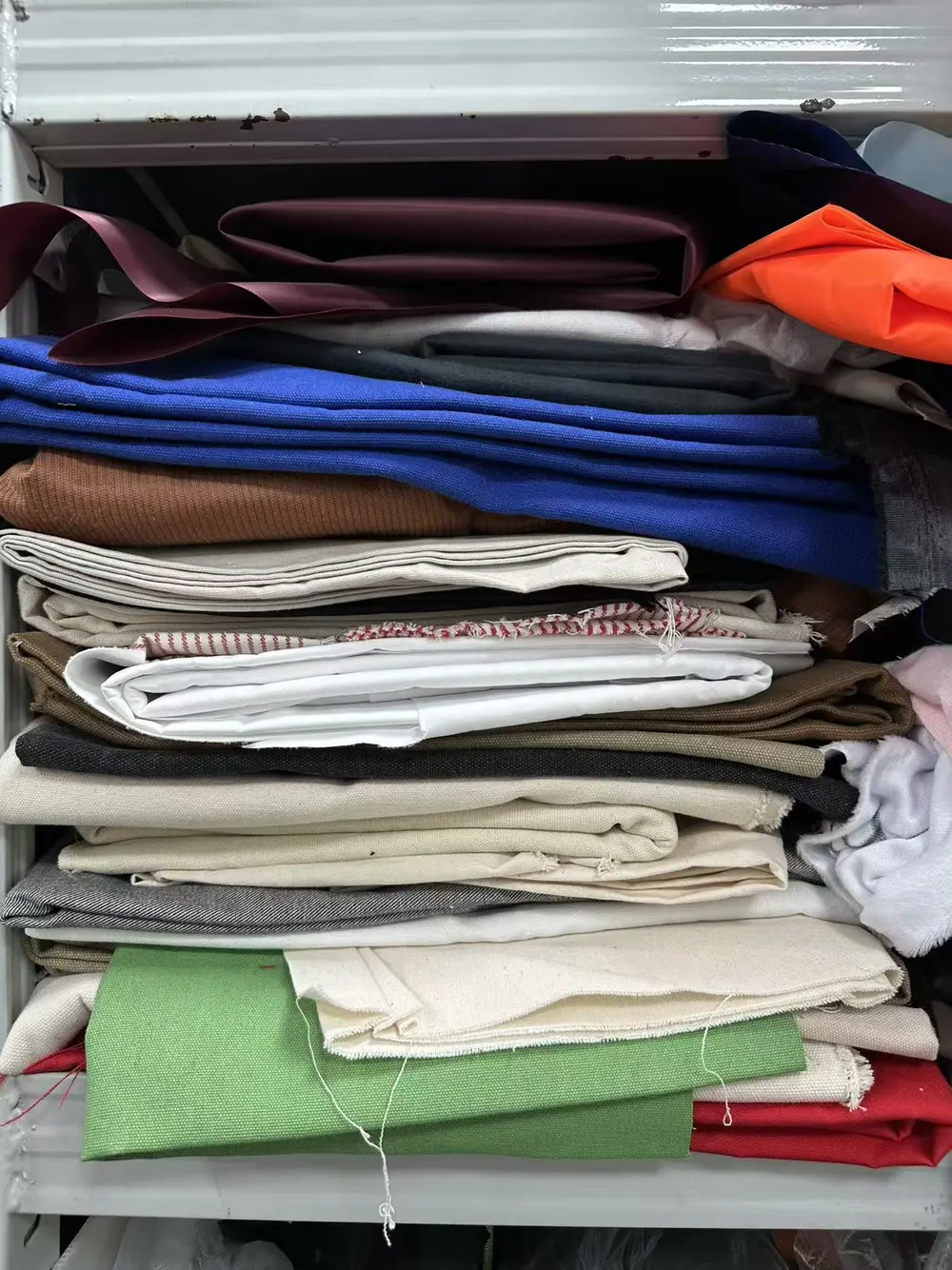
Ask suppliers to name substitutions explicitly. If the requested material is unavailable or unsuitable, a proposed alternative may be valuable, but it should be presented as an option with its own specification and price basis. Do not silently treat a substituted zipper, buckle, fabric, or liner as compliant. Note whether a quoted fabric swatch or component sample is available for review and who will approve any replacement.
Buyers who need a deeper fabric comparison can use the outdoor bag materials guide rather than turning the quotation article into another fabric encyclopedia. In the comparison sheet, the goal is narrower: identify the material actually priced, its reference, and the decision still open.
5. Make construction differences visible
Construction can be the largest hidden difference between two apparently similar bags. A quote may assume a different seam approach, strap attachment, edge binding, compartment divider, reinforcement patch, or zipper installation. The buyer does not need to dictate every stitch, but should document the points that matter to function, appearance, and acceptance.
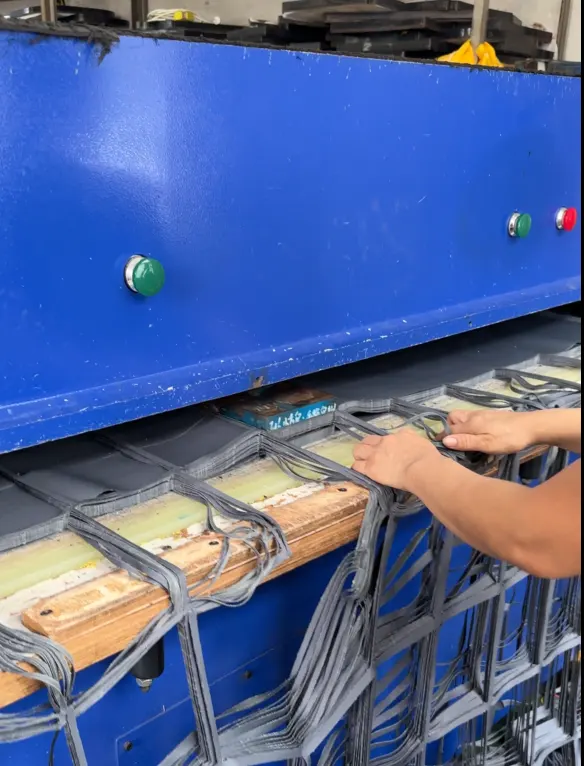
Mark stress points on the reference drawing. State how the bag will be carried, opened, closed, and packed during ordinary intended use. Ask bidders to explain the construction they have allowed for at those points. If a proposed change might alter appearance or usability, request a sample review rather than accepting a verbal assurance that it is “the same.” Do not claim a construction is stronger without an agreed test or an observed comparison.
Quality requirements should also be specific enough to discuss. “High quality” is not a pass/fail criterion. Identify which seams, logo placements, fasteners, dimensions, and packing details will be checked, and how deviations will be documented. The buyer may require an agreed inspection plan or third-party inspection, but should ask whether the quote includes that work. The Hongzhao quality-control page describes the site's existing process; a specific project still needs its own approved requirements.
Use an exception register for differences that cannot be settled immediately. Give each exception an owner and a status: accepted, rejected, or awaiting sample. That prevents an unresolved construction shortcut from disappearing into an email thread while the headline price remains in a spreadsheet.
6. Separate branding, accessories, and packing
Logo and private-label requirements can change both the product and the quotation scope. Provide artwork, intended position, approximate size, color, and preferred application method if known. If the method is undecided, ask for clearly labeled alternatives instead of a single unexplained price. Do the same for woven labels, hangtags, care information, custom zipper pulls, and other branded components.
List functional accessories separately: zippers, pulls, buckles, clips, webbing, cord, hooks, and any removable item supplied with the bag. Do not assume a reference photograph tells the factory the grade, dimensions, finish, or quantity of each component. When a brand requires a specific component, provide its reference and confirm whether the manufacturer can source and use it for the proposed design. If equivalent components are permitted, define what the buyer will accept as equivalent.
Packing deserves its own row. State whether the quote is based on individual bags, protective sleeves, hangtags, barcodes, inserts, retail boxes, cartons, or another arrangement. Ask who supplies the artwork and who approves the carton markings. A quote for an unbranded bulk-packed bag should not be compared directly with a quote that includes retail-ready presentation without recording that difference.
Keep setup, development, tooling, and shipping charges distinct from the unit price when applicable. The aim is not to demand a factory reveal every internal cost. It is to learn which deliverables and one-time charges the buyer would pay for, when they become due, and whether any conditions apply to later orders. For Hongzhao-specific MOQ, sample, and lead-time terms, refer to the existing buyer guide to MOQ, sampling, and production timing rather than assuming the terms in this general method apply to every project.
7. Hold quantity and color breakdown constant
Send the same quantity basis to each factory. Record the number of units for each style, color, and size configuration, plus the total. If you want to compare more than one quantity scenario, label each scenario and ask all bidders to price the same set. A lower unit price at a larger volume is not evidence that one factory is cheaper for the order you actually intend to place.
Color splits can affect materials and setup. Do not combine colors into one total in your comparison sheet if a factory has priced them separately. Ask whether a special color or component introduces a separate minimum or development step. This article deliberately does not give a universal minimum order number: project requirements and the factory's confirmed terms must be reviewed for the specific style, material, and customization.
Record the quotation's validity period, currency, quantity assumptions, and revision identifier. A figure copied from an old email may belong to a different design or order scenario. If a factory offers an alternative price for an available material or simplified construction, keep it in a separate column. Do not mix it with the price for the controlled specification.
Where forecasts are uncertain, buyers can ask what information would be needed to revisit pricing at a different volume. That is a planning question, not a promise that a given unit price will apply later. The useful comparison remains the same: each quoted amount must point to a defined, shared quantity scenario.
8. Align the commercial basis before comparing totals
A quotation needs a delivery and commercial basis, not merely a number and a currency symbol. Ask which trade rule, named place or port, shipment stage, and transport scope the price assumes. An EXW price and a price involving carriage to a named destination are not interchangeable unit costs. The applicable Incoterms rule and location should be written explicitly; the International Chamber of Commerce explains the importance of the named place.
This is a comparison method, not legal, customs, or freight advice. The buyer should check with its logistics and compliance advisers which trade arrangement suits the shipment and which costs remain outside the factory quote. Ask each bidder to state whether export packing, documentation, freight, insurance, duties, and local delivery are included or excluded. Do not infer inclusion from a familiar three-letter term alone.
Payment milestones also matter. Record when sample, setup, and production payments would be requested and what approval must occur first. Similarly, compare lead-time statements only after identifying their starting event: receipt of a deposit, approval of the final sample, availability of a nominated material, or another agreed condition. Separate sampling, production, and transport time rather than adding an undocumented “total lead time.”
The result is not a universal “landed cost” calculation. It is an apples-to-apples scope review that tells the buyer what additional logistics or finance information is needed before a landed-cost decision can be made. Keep those external estimates in a separate worksheet and label their source and date.
9. Treat an early quote as a set of assumptions
Early enquiries often lack final artwork, material references, packing instructions, or an approved physical sample. The response can still help a buyer decide whether to continue, provided it clearly identifies the assumptions. Ask the factory to distinguish a preliminary indication from a quotation based on confirmed details.
Create a short assumption log. For each unconfirmed item, record the factory's current assumption, the decision owner, the evidence needed, and the point at which the quote must be revised. A line such as “standard zipper” should trigger a question: which zipper, size, finish, and installation have been priced? A line such as “waterproof fabric” should trigger a more precise discussion of fabric, seams, opening, and the performance claim the buyer intends to make. Do not turn vague words into promises by copying them into product marketing.
When one supplier has asked careful questions and another has not, do not automatically reward the shorter quote. The second supplier may simply have made more hidden assumptions. Send the same answers to both and request a revised, versioned response. If a question reveals that the initial RFQ did not describe the product adequately, update the RFQ itself and circulate the new version to every bidder.
Some assumptions may remain intentionally open until a sample is made. Mark those as provisional and avoid a false numerical comparison. For Hongzhao projects, the existing published guide states that the final bulk quotation is recalculated from the approved sample and actual requirements after sample confirmation. This article does not replace that project-specific process with a fixed advance price.
10. Use samples to test the quotation basis
A sample is more than a visual preview. It lets the buyer compare the quoted materials, proportions, construction, branding, and packing against the written brief. Define what the sample is meant to answer before it is made. One sample may test carry fit; another may check a cooler opening and liner arrangement. Do not declare a product fit for a performance claim solely because a sample looks convincing.
Review the sample against the RFQ line by line. Take photographs of differences, identify the relevant drawing or specification row, and record whether the change was requested by the buyer or proposed by the factory. Separate a cosmetic preference from a functional defect and from an unapproved substitution. This gives both sides a clear revision list and reduces disputes about what was approved.
If the sample changes, issue a revised specification with a new version number. Ask whether the material, construction, logo, packing, or production process has changed enough to affect the quotation. A sample that solves one problem may introduce a new component or sewing step. The buyer should not assume the first estimate still describes the approved product.
Keep one approved reference set: physical sample or documented reference photographs, drawings, component references, logo artwork, packing instructions, and a list of accepted deviations. Record who approved it and when. A subsequent bulk-production quote should point to this reference set. This is the most defensible point at which to compare a final production proposal with the product the buyer intends to order.
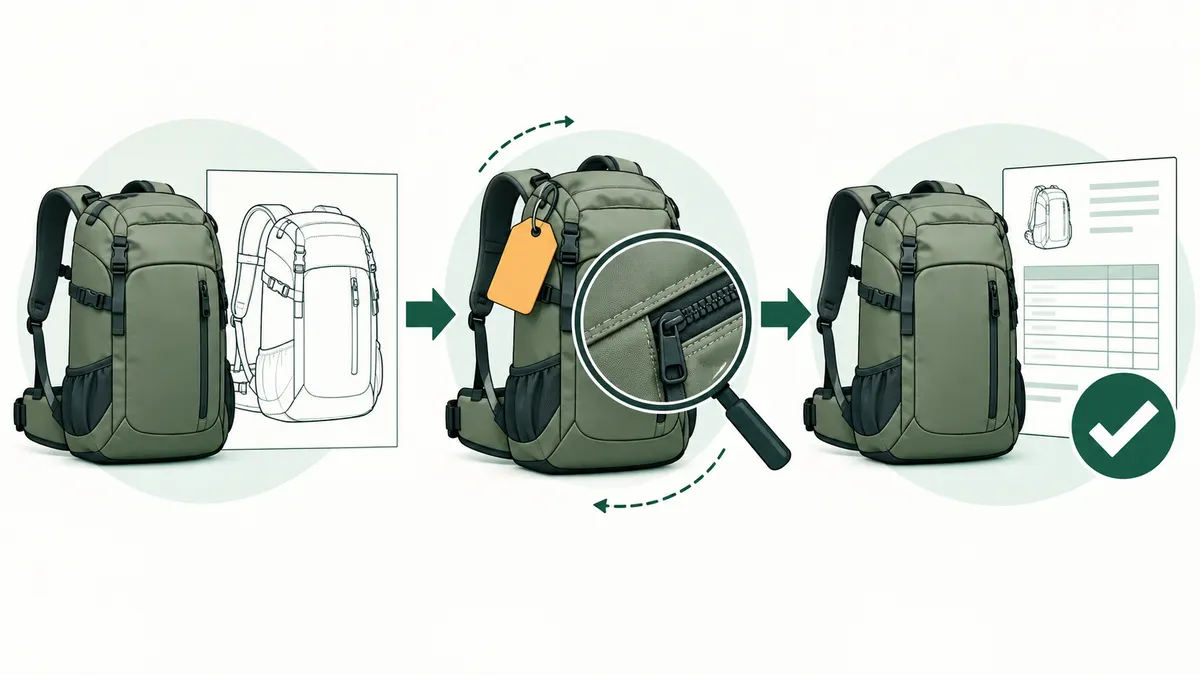
11. Build a side-by-side comparison worksheet
The comparison sheet should make mismatches easy to spot without hiding the supporting documents. Use one row for each material, feature, deliverable, or commercial condition. In each factory's cell, record the quoted scope and mark its status: matched, alternative offered, excluded, or unresolved. Use the final column for the evidence or clarification still needed. Do not make a numeric score look objective when the underlying specifications are still different.
| Comparison row | Controlled buyer requirement | Factory A: status and quoted scope | Factory B: status and quoted scope | Evidence and follow-up |
|---|---|---|---|---|
| Product version | RFQ revision and date | Record quoted revision | Record quoted revision | Reissue if versions differ |
| Body and lining | References or approved alternatives | Name priced materials | Name priced materials | Check swatches and substitutions |
| Functional structure | Compartments, straps, reinforcement, insulation where relevant | Note construction offered | Note construction offered | Review drawing and sample |
| Branding and packing | Artwork, labels, inserts, cartons | State included work | State included work | Confirm setup and artwork approval |
| Quantity scenario | Units by style and color | State priced split | State priced split | Compare identical scenarios only |
| Sample and one-time charges | Required deliverables and approval stages | State charges and conditions | State charges and conditions | Keep separate from unit price |
| Quality requirements | Agreed inspection points and evidence | State included approach | State included approach | Identify any extra inspection cost |
| Delivery basis | Trade rule, named place, timing trigger | State assumptions | State assumptions | Ask logistics team to review |
| Quote validity and currency | Same decision date and currency basis | Record validity and currency | Record validity and currency | Refresh an expired offer before comparison |
| Payment milestones | Same stated comparison basis | Record requested stages | Record requested stages | Flag differences for commercial review |
| Exclusions and assumptions | Every open item listed explicitly | Record exclusions and assumptions | Record exclusions and assumptions | Resolve or price alternatives separately |
This template is deliberately blank. Invented unit prices would make it look complete while teaching the wrong habit. In a real procurement review, attach the actual quotation, material references, drawings, and sample notes to each column. Date every revision so the team knows which answers remain current.
Once the scope is matched, compare the quoted figures and the remaining risks. A lower number may represent a genuine advantage, or it may still depend on a material alternative the buyer has not approved. The sheet should show which explanation applies. If it cannot, keep the decision open and ask another question.
12. Distinguish a useful alternative from an incomparable quote
Factories can improve a design by suggesting a different material, component, pattern, or packing method. Do not reject alternatives merely because they differ from the first brief. Instead, give each alternative a separate option number and compare it against the requirement it changes. Record the reason for the suggestion and how the buyer will evaluate it.
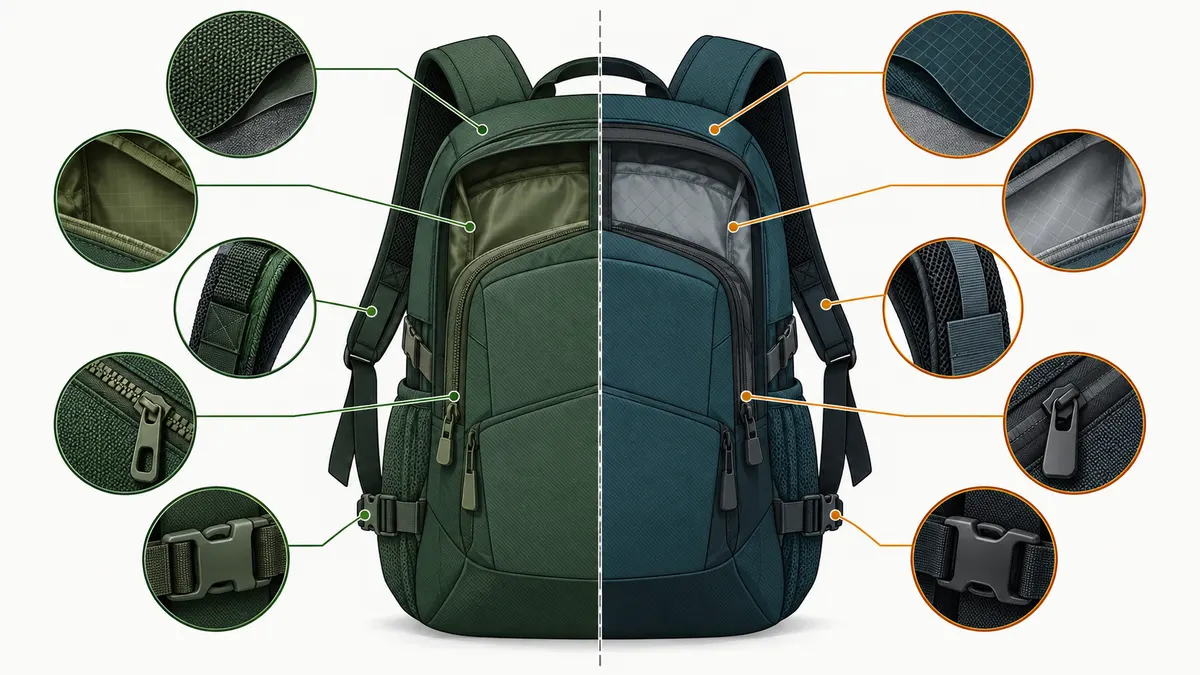
For example, a proposed carry-handle construction might simplify assembly. That does not make it equal to the specified construction until the buyer has checked appearance and intended use. A different cooler liner might be easier to clean but change the desired feel or seam approach. These examples illustrate questions to ask, not tested outcomes or recommendations for a particular Hongzhao product.
Some quotes cannot be compared fairly without further development. If one factory has priced an existing pattern and another a new custom pattern, request two separately labeled options or pause the price comparison. If one has priced unbranded bulk packing and another has priced retail labeling, adjust the scope before ranking. “Incomparable for now” is a useful procurement finding; it is better than a precise-looking but misleading spreadsheet.
When the design team accepts an alternative, update the controlled specification and give every serious bidder the same opportunity to respond. This keeps the comparison fair and preserves a record of why the final design changed. The objective is not to make every factory identical. It is to make the trade-offs legible.
13. Check evidence, not adjectives
Words such as “premium,” “heavy-duty,” and “export quality” can be useful as aspirations but are poor comparison criteria on their own. Ask what will be supplied for review: a swatch, a component reference, a sample, a dimensioned drawing, an inspection checklist, or a report that actually applies to the proposed item. Record whether the evidence exists now or is promised later.
Do not transfer a certificate, factory audit, or material test from another company or another product onto the bag being quoted. Even a genuine factory-level document may not establish a claim about a particular design. If a buyer's market requires a particular test or document, agree the relevant scope, responsible party, timing, and acceptance criteria before treating it as included in the quote.
Ask who would approve substitutions during production and how approval would be recorded. If the factory proposes an equivalent component, the buyer needs enough information to decide whether it is equivalent for the intended use. A photograph or brand name alone may not answer the question. A documented approval trail is more useful than an informal promise that the finished bag will be “the same.”
Supplier selection also involves operational judgement beyond the quoted product. If the buyer needs a broader factory review, use a separate verification process rather than loading every factory-audit question into the price matrix. That keeps this guide focused on quote comparability while preserving the distinction between price, product specification, and supplier risk.
14. Turn the comparison into a decision record
The final decision record should fit on one page even if its evidence folder is large. State the chosen specification version and approved sample reference. List each factory's comparable offer, unresolved exception, material substitution, one-time charge, packing scope, and delivery basis. Name the decision owner and the conditions that must be met before production can start.
Do not hide a higher price or an unresolved risk behind a single weighted score. If a scoring model is useful internally, show its criteria and weights and keep the source observations visible. A purchasing manager should be able to trace any conclusion back to a quotation line, drawing, sample note, or documented clarification. Where evidence is missing, write not confirmed rather than converting an empty cell into a favorable assumption.
Send a concise clarification summary to the shortlisted factories. Confirm the product version, selected options, sample status, charges, quantity split, packing, delivery basis, payment milestones, and any remaining open issue. Ask for a final written response referencing the same version. This step can feel slow, but it prevents a comparison built on verbal changes that nobody can later reconstruct.
The method remains useful after choosing a supplier. Keep the comparison sheet with the approved production documents so repeat orders can be checked against the same assumptions. If the bag, materials, quantities, or packing change, create a new revision instead of reusing an old quote as if nothing changed.
Questions buyers often ask
Why do two factories quote different prices for what looks like the same bag?
They may have interpreted the reference differently or included different materials, components, construction, branding, packing, inspection, development work, or delivery scope. Ask each factory to identify its quoted specification and exclusions before concluding that the prices are for an identical product.
Should I ask for a complete factory cost breakdown?
You can ask for a clear quotation scope and separate one-time charges, but do not assume every supplier will disclose its internal material, labor, and overhead costs. For comparability, the essential information is what product and services the proposed price includes, under which assumptions, and what would trigger a revision.
Can I compare unit prices before a sample is approved?
You can compare preliminary proposals if they are labeled as such and based on the same documented assumptions. Keep unresolved choices visible. A final production decision should refer to the approved sample and specification, with the quotation updated where the approved details differ from the original brief.
What should I do if one factory proposes a cheaper material?
Record it as a separate alternative. Obtain a clear description or sample, decide whether it meets the intended use and brand requirements, and ask all bidders to quote the same accepted option if you want a direct price comparison. Do not silently replace the specified material in the comparison sheet.
Does a lower quote mean a higher procurement risk?
Not necessarily. A factory may have a genuine process, sourcing, or capacity advantage. The relevant question is whether its quote covers the same approved product and commercial scope, and whether its claims can be checked. Treat missing information as an open question, not as proof of either good or bad quality.
When should I ask Hongzhao for a project review?
Send the product reference or tech pack, intended use, dimensions, material direction, branding and packing needs, quantity by style and color, and any open comparison questions. Submit those details through the project inquiry page. The team can review the specific requirements and confirm the quotation path; this guide does not promise a price or minimum order quantity for an undefined project.
Next step: compare the same product, not just two numbers
Start with one RFQ revision and a list of fixed, flexible, and unresolved requirements. Require each quote to state what it includes, excludes, and assumes. Review meaningful material and construction differences with samples or other appropriate evidence. Update the specification when the product changes, then compare the revised proposals against that common reference.
If your team is preparing an outdoor or functional bag program, send the current brief, reference images, and the questions your competing quotations have not answered. Use the Hongzhao project inquiry form to request a project-specific review. A useful first response is one that exposes the remaining decisions, not one that pretends every detail is settled before the bag has been defined.
Further Reading
Related Products