
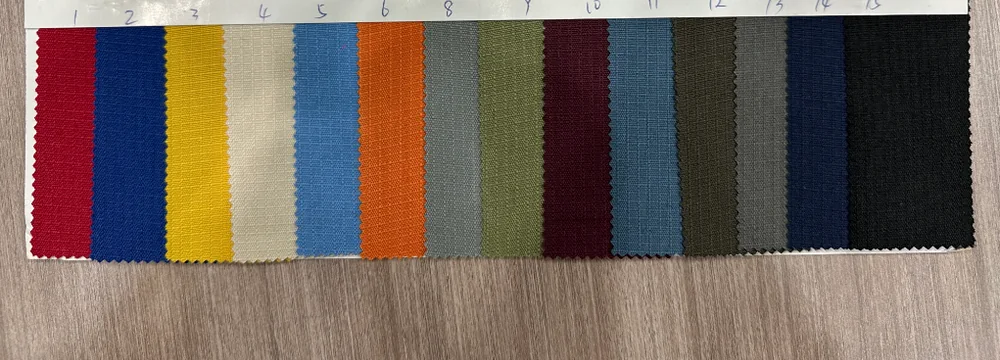

Backpack fabric selection affects appearance, handfeel, structure, sewing construction and the final project quotation. It should not be reduced to choosing the highest denier or the most familiar material name. Buyers need to compare the intended use, target market, planned construction, coating or backing, lining, reinforcement and the approved physical sample.
This guide explains how Hongzhao reviews nylon, polyester, Oxford and canvas directions for custom backpack projects. For a wider view of available constructions and components, see Outdoor Bag Materials And Fabric Options For OEM/ODM Buyers.
Nylon vs Polyester for Backpacks
Nylon and polyester are both common starting points for sewn backpacks, but the fiber name alone does not define the finished bag. Nylon may be considered when a project calls for a softer handfeel, lower-weight direction or a particular outdoor appearance. Polyester is often reviewed for practical cost control, color availability and general-use backpack programs. Neither choice should be presented as automatically better for every application.
A useful comparison includes denier, weave, coating or backing, surface finish, color requirement and the way the fabric will be cut and sewn. The same fiber can feel and perform differently when these details change. That is why Hongzhao compares physical swatches and develops the construction sample before the bulk specification is confirmed.
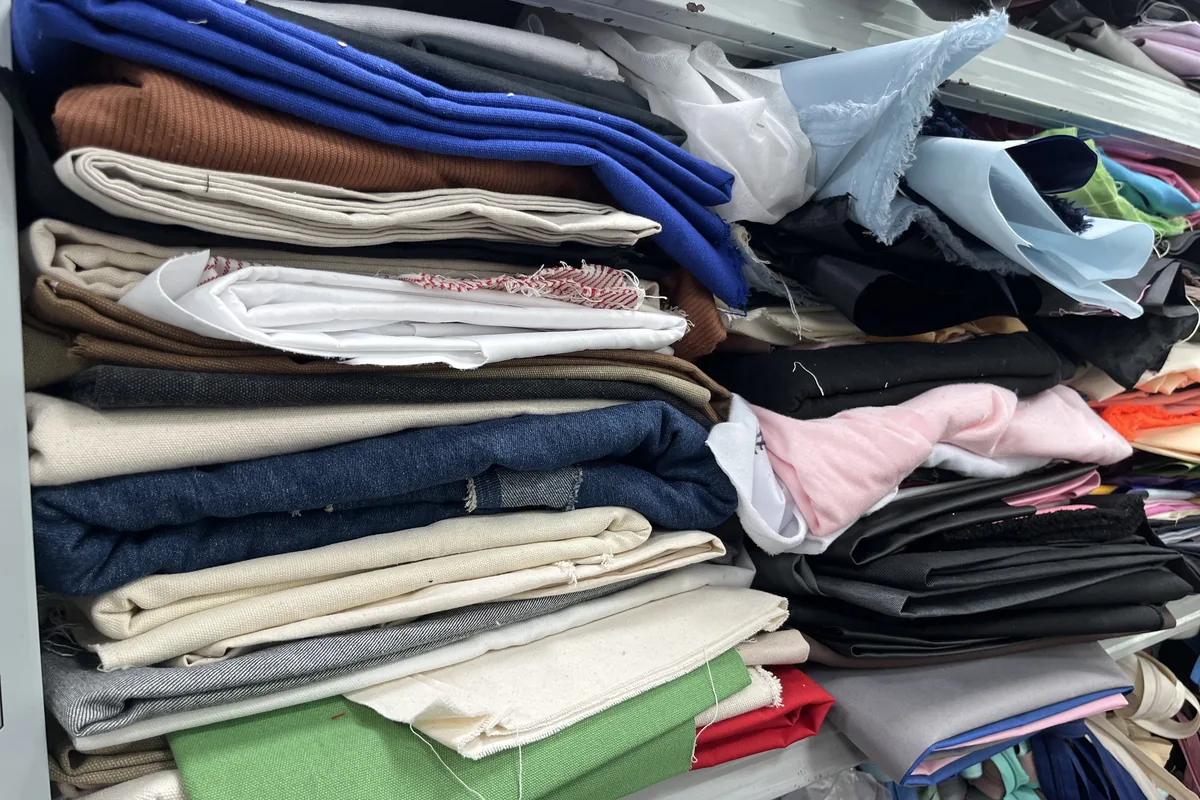
Understanding Oxford Fabric: 210D and 600D
Oxford describes a woven construction, while denier describes yarn weight. A lighter material direction such as 210D may be reviewed for linings or lighter panels when the planned structure supports it. The 600D Oxford swatches shown in this article are a real material option used for color and construction review. The exact fabric still needs to be confirmed for each project because coating, backing, weave density and finishing can vary.
A higher denier number is not proof that a finished backpack will meet every requirement. Seams, stress-point reinforcement, zipper installation, webbing, lining and workmanship also affect the result. Buyers should specify the intended load, environment and appearance, then approve the actual fabric and sample rather than relying on a number in isolation.
Canvas and Synthetic Fabrics Serve Different Design Goals
Canvas can provide a natural handfeel and a different visual character from synthetic backpack fabrics. It may suit selected lifestyle, promotional or casual concepts, but availability, color, weight and construction requirements need to be reviewed against the buyer’s specification. It should not be assumed to be a standard material for every program.
Synthetic fabrics such as nylon and polyester can support a broad range of colors, structures and coating directions. A canvas-versus-synthetic decision should consider intended appearance, total product weight, care expectations, moisture exposure and the planned reinforcement. The approved sample is the practical reference for the finished product.
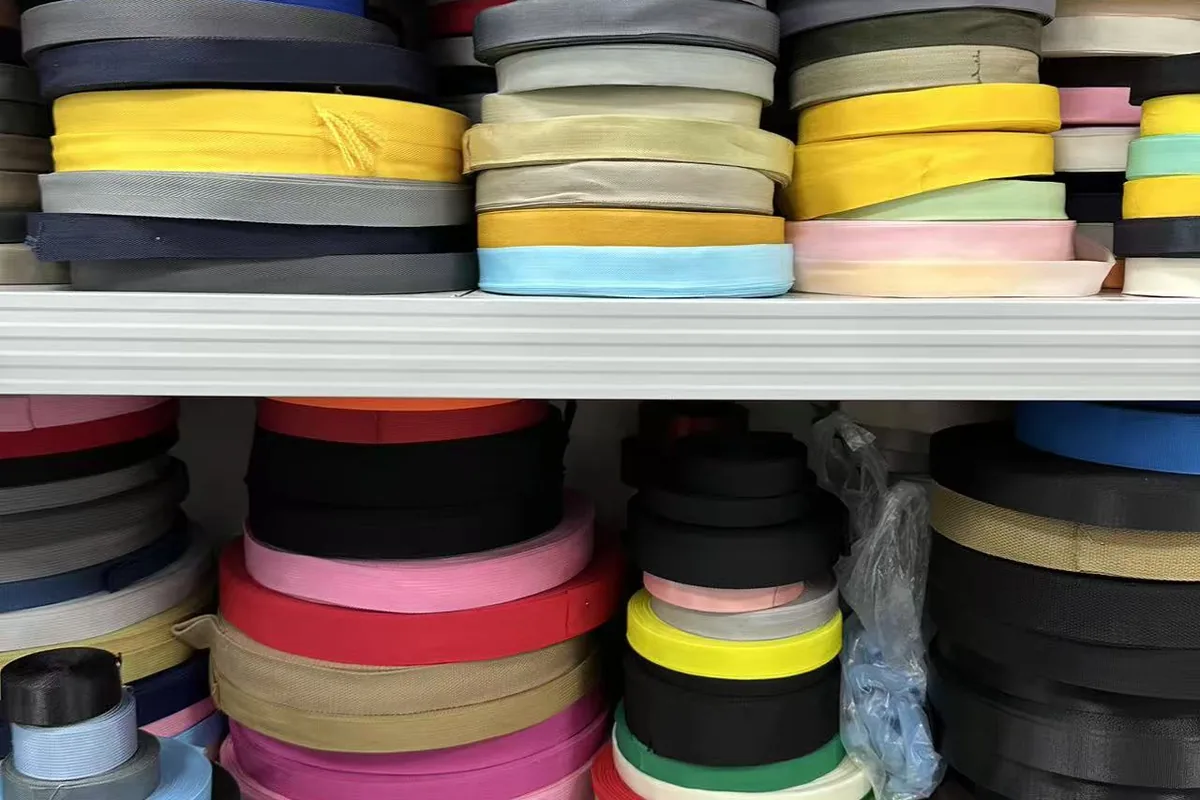
How Material Choices Affect Cost and MOQ
Material choice affects more than the fabric price. The quotation can also change with color, coating, lining, foam, reinforcement, zipper, webbing, buckle and logo requirements. Special custom colors may have a separate material MOQ that must be confirmed for the specific project. Hongzhao does not treat an early reference price as the locked bulk-production price.
For formal custom bag orders, the confirmed MOQ is 50 pieces in the same style and same color. An order of 10 pieces is handled as a sample order, not as a normal bulk order. After the sample is approved, the final bulk quotation is recalculated from the actual approved materials, components and construction. The detailed workflow is explained on OEM Outdoor Bag Manufacturing Services, and common purchasing questions are covered in Common Questions Before Starting A Custom Outdoor Bag Project.
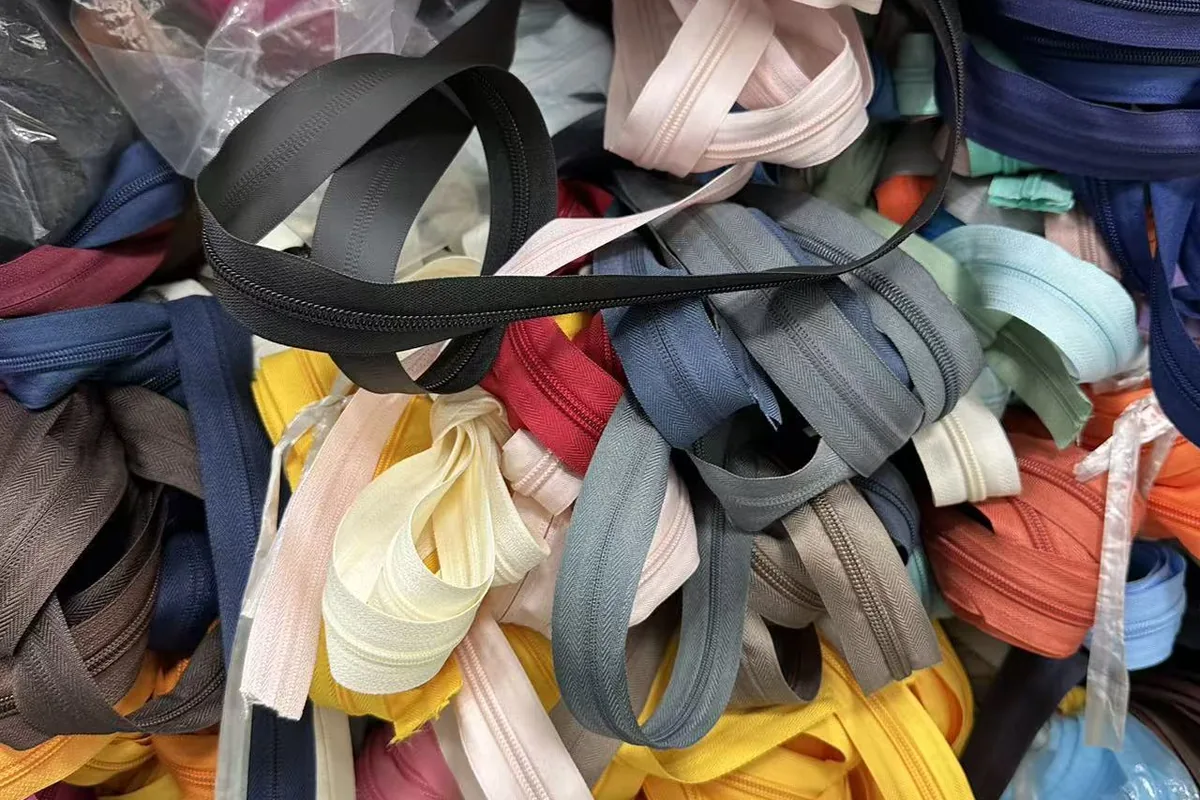
Backpack Material Selection Checklist
- Define the use: describe the target user, carrying load, environment, expected appearance and destination market.
- Separate the layers: identify the outer shell, coating or backing, foam, lining and reinforcement instead of using one material name for the whole bag.
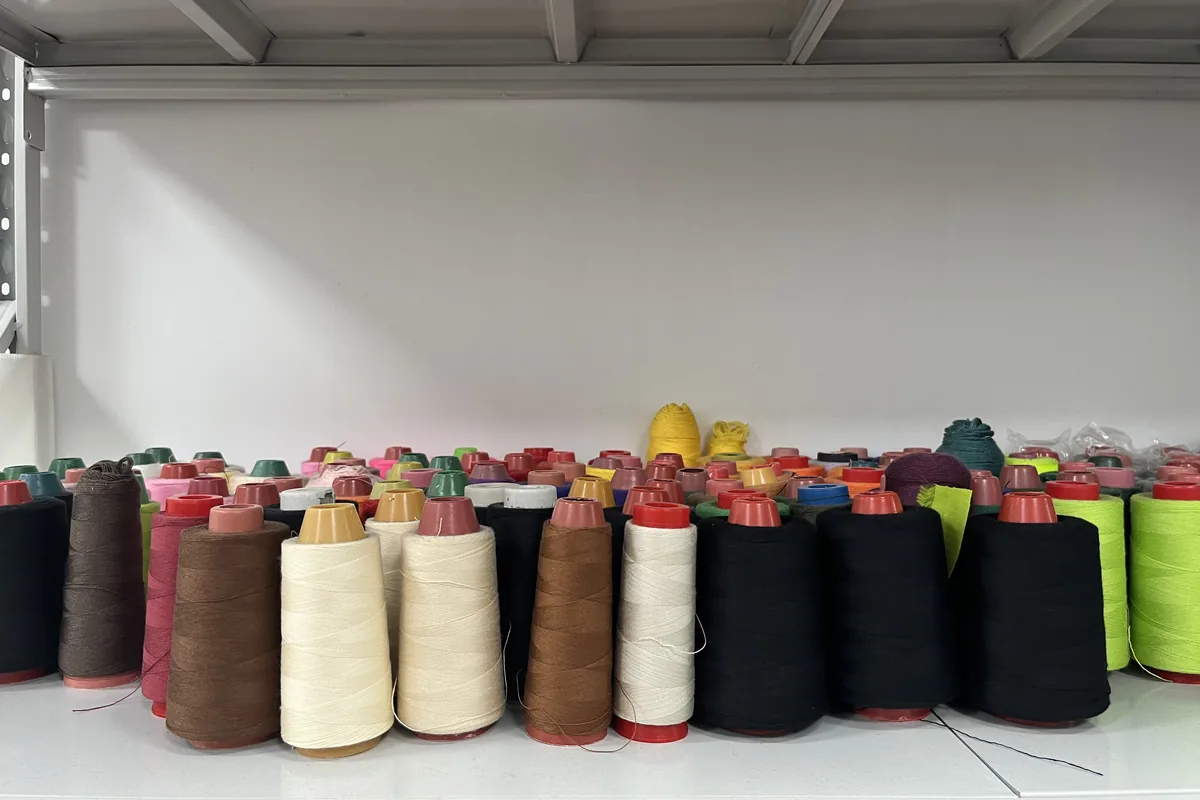
- Review physical options: compare real swatches for color, handfeel, structure and surface finish.
- Confirm components: match zippers, webbing, buckles, thread and logo method to the construction.
- Build and inspect a sample: check dimensions, appearance, function, lining, logo position, stitching and reinforced stress points.
- Approve before bulk production: use the approved sample and confirmed material list as the basis for the final quotation and production controls.
Buyers developing a specific pack can review Custom Outdoor Backpacks Manufacturer. The inspection stages used after material approval are outlined in Quality Control That Reduces Bulk Production Risk.
Common Backpack Fabric Specification Mistakes
- Choosing only by denier while ignoring fiber, weave, coating, backing and reinforcement.
- Using one material term for the outer fabric, foam and liner even though they are different layers.
- Confirming color from a screen without reviewing a physical swatch.
- Leaving zipper, webbing, buckle and thread requirements until after the fabric has been chosen.
- Locking a bulk price before the sample and actual construction are approved.
A clear material brief reduces avoidable sample revisions. Send the intended use, dimensions, estimated quantity, material direction, logo and reference images through Project Inquiry for a practical review.
Frequently Asked Questions
Is nylon or polyester better for a custom backpack?
Neither is automatically better for every project. The right choice depends on the target use, handfeel, appearance, coating, construction and approved physical sample.
Does a higher denier always mean a better backpack?
No. Denier is only one material detail. Weave, coating, seams, reinforcement, components and workmanship also affect the finished backpack.
What is the MOQ for a custom backpack order?
The formal-order MOQ is 50 pieces in the same style and same color. Ten pieces are handled as a sample order, and special custom colors may have a separate material MOQ that is confirmed by project.
When is the final backpack price confirmed?
The final bulk quotation is recalculated after the sample is approved, based on the actual approved materials, components and construction.
Further Reading